
Keypad & Code Locks
Keyless convenience for your Austin business
Keypad & Code Locks in Austin, TX
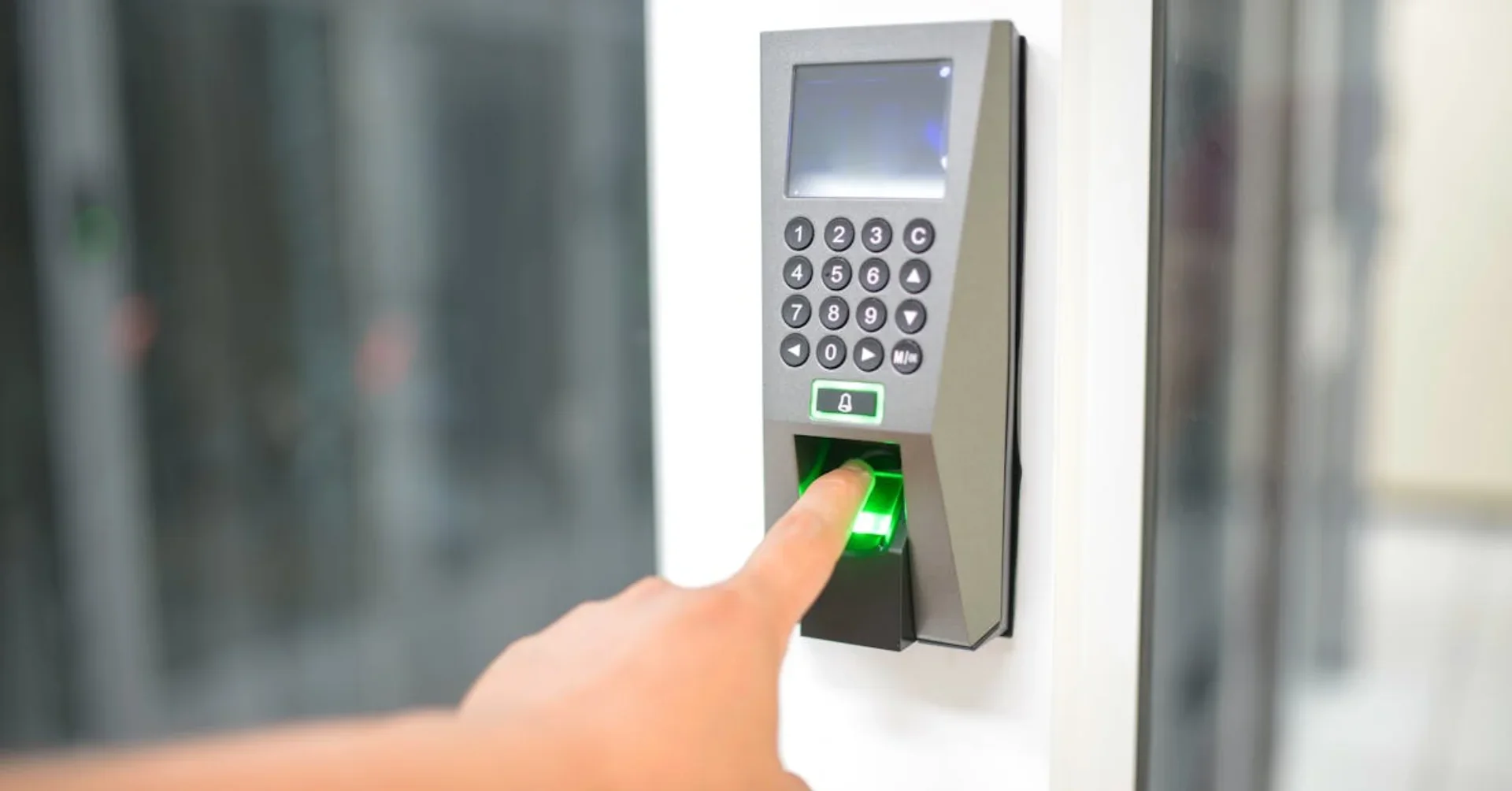
Keys are a liability for Austin businesses. They get lost, copied, and kept by former employees. When someone leaves, do you really track down every key they ever had? Keypad locks eliminate this problem entirely. Employees get codes instead of keys. When they leave, you change or delete their code - done in 30 seconds, no locks to rekey, no hardware to replace. We've installed keypad locks for hundreds of Austin businesses, from single-door offices in downtown high-rises to multi-location retailers across the metro. They're the simplest path from key headaches to keyless convenience.
Keypad Lock Types for Austin Businesses
Keypad locks range from basic to sophisticated. Understanding your options helps you choose the right fit for your business and budget.
Standalone keypads are self-contained units - the keypad, lock mechanism, and programming all in one device. They run on batteries, need no wiring, and typically store 10-50 user codes depending on the model. When someone leaves, you reprogram the lock directly using a master code or programming key. Popular brands like Schlage and Simplex have proven track records in commercial applications. For a single door or small business with stable staff, standalone is usually the right choice.
Connected keypads link to WiFi or a local controller. Instead of programming at the door, you manage codes through an app or web portal. You can add and remove users remotely, see access logs showing who entered when, and get alerts when specific codes are used. For businesses with multiple locations or managers who aren't always on-site, connected locks provide visibility and control that standalone can't match.
Combination keypads also accept physical keys. This hybrid approach provides a backup if someone forgets their code or batteries die unexpectedly. Many Austin businesses prefer this flexibility, especially for exterior doors where a lockout would be particularly disruptive.
Commercial-grade locks from Kaba, Yale, and Alarm Lock offer features beyond consumer-grade hardware - higher traffic ratings, metal keypads that resist vandalism, and longer warranty periods. For doors that see heavy use, investing in commercial hardware pays off in reliability and longevity.
- Multiple User Codes
- Auto-Lock Feature
- Battery Backup
- Audit Trail
Code Management Best Practices
The security benefit of keypad locks depends entirely on how you manage codes. Poor practices negate the advantages - a shared code is no better than a copied key.
Give each employee their own code. Yes, this requires more programming upfront. But when someone leaves or you suspect a code has been shared, you can disable just that code without disrupting everyone else. If ten people share one code and you need to change it, you're reprogramming ten people.
Use codes that aren't obvious. Birthday dates, address numbers, and simple sequences (1234, 1111) are easily guessed. Most commercial keypads allow 4-6 digit codes; longer codes are more secure but harder to remember. Strike a balance - 4 digits for low-security interior doors, 6 digits for exterior and sensitive areas.
Change codes periodically. High-turnover businesses like restaurants or retail should review codes quarterly. Professional offices with stable staff can go longer, but annual review is good practice. Document who has which codes and when they were last changed.
Consider time-restricted codes for after-hours access. The cleaning crew's code works only 7pm-10pm weekdays. The weekend contractor's code works only during their scheduled project. This limits exposure if codes are shared or discovered.
Some businesses use temporary codes for one-time access - a delivery driver needs to drop something in the back room, you issue a code that works once and expires. Connected locks make this easy; standalone locks can have one programmable temporary slot.
Installation Considerations
Keypad locks fit most commercial doors, but proper installation affects both function and security. We assess your specific doors before recommending hardware.
Door thickness matters. Standard commercial doors are 1-3/4 inches; keypad locks designed for this thickness include the correct hardware. Thin doors or very thick doors may need adapters or alternative hardware. We measure before ordering to ensure proper fit.
Strike alignment is critical. Keypad locks with motorized deadbolts require precise alignment between the lock and strike plate. If the door has sagged, warped, or shifted over time, we may need to adjust the frame or strike location. A misaligned lock binds, drains batteries faster, and eventually fails.
Battery access should be considered. Batteries typically last 12-24 months, but you need to change them eventually. Some locks have batteries inside the casing (requiring the door to be open), while others have external battery compartments. For exterior doors, external battery access means you can change batteries even if locked out - important redundancy.
For high-traffic doors, consider battery life and keypad durability. A retail store entry might see 100+ entries daily; an interior office might see 10. Heavy-use doors need commercial-grade hardware rated for the traffic and batteries that handle frequent use. Consumer-grade locks in commercial applications wear out prematurely.
We handle complete installation including door prep, strike installation, lock mounting, and programming. Most single-door installations take 1-2 hours. Multi-door projects scale predictably.
Keypad Locks vs. Full Access Control
For many Austin businesses, keypad locks are the perfect balance of security and simplicity. But understanding when to consider full access control helps you make the right choice.
Choose keypad locks when you have 1-3 doors, relatively stable staff, and don't need detailed access reporting. The cost per door is lower, there's no ongoing software subscription, and management is straightforward. A small professional office, warehouse entrance, or back-of-house retail door typically fits this profile.
Consider access control when you have many doors, high staff turnover, need audit trails for compliance, or want integration with cameras and alarms. Access control costs more upfront but scales better - adding the 20th door to a networked system is easier than programming 20 standalone keypads every time someone leaves.
Hybrid approaches work too. Many Austin businesses use keypad locks on secondary doors (storage rooms, side entrances) while using access control on main entries. The keypad doors remain independent, avoiding the complexity of networking every opening.
We help Austin businesses evaluate the trade-offs honestly. Sometimes keypad locks are the right answer. Sometimes access control makes more sense. Sometimes you start with keypads and upgrade to access control as you grow. We're not pushing the most expensive option - we're helping you find the right fit for your situation today with a reasonable path for the future.
Why Choose Austin Locksmiths for Keypad & Code Locks?
Austin locals trust us for fast, reliable service
No Keys Needed
Eliminate lost key problems
Multiple Codes
Unique codes for each employee
Time Restrictions
Codes can work only during business hours
Easy Updates
Change codes in seconds
How It Works
Getting help is easy - here's what to expect
Choose Lock
Select features and style
Installation
Professional door preparation and mounting
Programming
We set up codes and train you
Ready to get started?
Call Now: (737) 222-7022Frequently Asked Questions About Keypad & Code Locks
Still have questions?
Contact us for more informationRelated Services
Other ways we can help
Access Control Systems
Modern access control solutions for Austin businesses
Commercial Rekeying
Quick, professional rekeying for Austin businesses
Master Key Systems
Simplify access control with a professionally designed master key system
Learn More About Austin Locksmiths
Need Help Right Now?
Our Austin locksmiths are standing by 24/7