
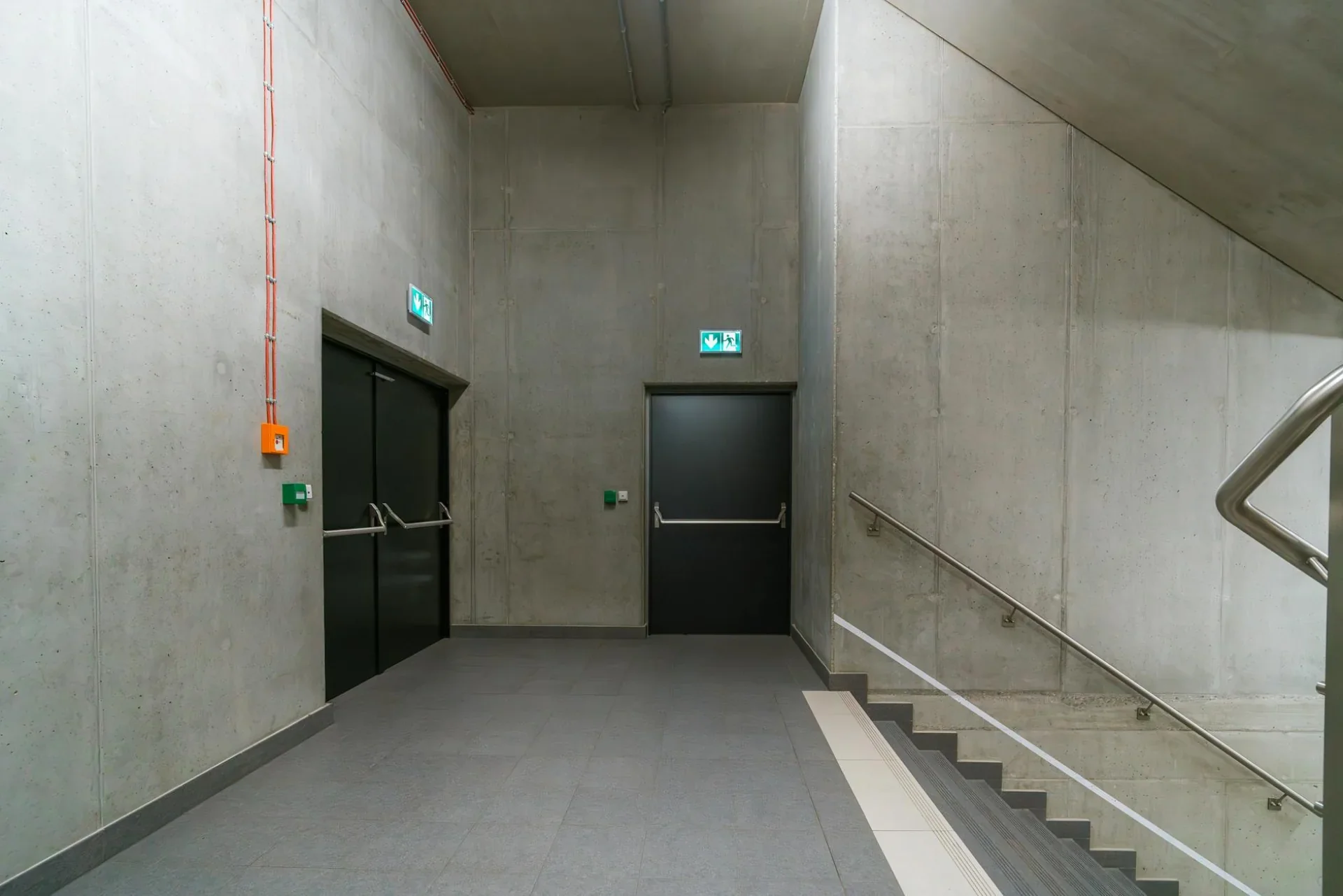
Panic Bar Installation
Code-compliant emergency exit hardware for Austin businesses
Panic Bar Installation in Austin, TX
The fire marshal just cited your Austin business for improper exit hardware. Or you're planning a build-out and the architect spec'd panic bars on the egress doors. Or the existing push bar on your warehouse door barely functions - employees shoulder-ram it open because the mechanism is frozen. Panic bars aren't optional equipment on most commercial exits. Austin fire code requires single-motion egress hardware on doors in the path of exit travel. That means push and release - no turning, no lifting, no keys required from inside. We install, repair, and replace panic bars for Austin businesses daily, ensuring your exits meet code while actually functioning for your employees.
Understanding Panic Bar Requirements
Austin follows the International Building Code, which mandates panic hardware on exit doors under specific conditions. Generally, if your occupancy load exceeds 50 people, doors in the means of egress must have panic hardware. Assembly spaces, educational buildings, and high-hazard occupancies have additional requirements regardless of occupant count.
The legal standard is simple: occupants must be able to exit with a single operation without prior knowledge of the hardware. Push the bar, the door opens. No turning a thumb-turn, no lifting a handle, no keys. This requirement exists because emergencies create panic - people crush against exit doors and need them to open from that pressure alone.
Existing buildings often have grandfather provisions, but renovations, change of use, or fire marshal inspections can trigger compliance requirements. If your downtown Austin building is converting from office to restaurant, panic bars may now be required where they weren't before. If you're adding occupancy in a Warehouse District building, the fire marshal will check your exits during permit review.
Fire-rated doors have additional requirements. Panic hardware on fire doors must be listed for that application - you can't install standard hardware on a rated door. The panic bar, the door, and the frame form a rated assembly. Using non-listed components violates code and potentially your insurance.
- Fire Rated Options
- Alarm Equipped
- Delayed Egress
- Vertical Rod Options
Panic Bar Types and Applications
Not all panic bars are the same. Different types serve different door configurations and security requirements.
Rim exit devices are the most common. The bar mounts on the face of the door, and pushing it retracts a latch at the lock side. These work on single doors and are relatively simple to install. You see them on retail backdoors, office emergency exits, and warehouse entrances across Austin.
Vertical rod devices use rods that extend into the head and threshold of the door frame. Pushing the bar retracts latches at both top and bottom simultaneously. These provide better security than rim devices and are often required on paired doors (double doors without a center mullion) or when codes require latching at multiple points.
Mortise exit devices combine a mortise lock body with panic bar actuation. These allow key locking from outside while maintaining panic functionality inside. Common on storefront doors and main entrances where you want both egress compliance and keyed security.
Delayed egress devices intentionally delay door opening for 15-30 seconds while sounding an alarm. These are used in healthcare, retail, and other settings where preventing unauthorized exit matters (psychiatric units, high-theft retail) while still allowing emergency egress. Strict code requirements govern their use - not appropriate for primary exits.
Alarm-equipped panic bars sound a local alarm when pushed. These deter unauthorized use of emergency exits while maintaining egress function. Common on retail fire exits and office doors that shouldn't be propped open.
Installation and Code Compliance
Proper panic bar installation is more than mounting the hardware. Incorrect installation can fail inspection or - worse - fail during an actual emergency.
Door preparation matters. Panic bars require specific hole patterns and reinforcement. Installing on hollow metal doors is straightforward. Installing on wood doors may require backing plates. Installing on glass doors (storefront applications) requires narrow-profile panic hardware designed for aluminum frames.
Latch engagement must be verified. The latch needs to fully engage the strike when the door is closed and fully retract when the bar is pressed. Improper installation causes doors that don't stay closed or don't open smoothly. We test repeatedly during installation and adjust as needed.
Fire-rated assemblies require documentation. When we install panic hardware on a fire door, we ensure the hardware is listed for that door's rating and label the door accordingly. This documentation matters for inspections and insurance claims.
Accessibility requirements under ADA affect mounting height and operating force. Panic bars must be mounted 34-48 inches from the floor and require no more than 15 pounds of force to operate. We verify compliance during installation.
After installation, we provide operation instructions and maintenance recommendations. Panic hardware needs periodic maintenance - lubrication, adjustment, cleaning - to maintain smooth operation over years of use.
Repair and Replacement
Panic bars wear out. The mechanisms see heavy use - every exit is a cycle, and busy Austin businesses can put thousands of cycles on their hardware annually. Springs weaken, latches wear, and eventually the bar that should release with 15 pounds of force requires 50.
Common repair issues include: stiff or non-functioning bars (usually internal mechanism wear), latches that don't fully retract (worn or dirty components), doors that don't stay latched (strike alignment or latch wear), and broken push bars (fatigue failure in high-use applications). Many issues can be repaired without full replacement - we assess before recommending.
When repair isn't practical, replacement provides an opportunity to upgrade. Modern panic hardware includes features like quieter operation, better finishes that resist Austin's humidity, and integration with access control systems. If your building has outgrown its hardware or requirements have changed, we specify appropriate replacements.
For multi-door buildings, we can establish maintenance contracts. Regular inspection and preventive maintenance catches problems before they become code violations or safety issues. More cost-effective than emergency repairs when the fire marshal arrives.
Emergency repairs are available. When your main entrance panic bar fails during business hours, you can't secure the building or you can't let people out safely. We respond same-day for urgent panic hardware issues across Austin's commercial districts.
Why Choose Austin Locksmiths for Panic Bar Installation?
Austin locals trust us for fast, reliable service
Fire Code Compliant
Meet Austin fire safety requirements
Easy Emergency Exit
Single-motion egress as required
Security Options
Alarm, delayed egress available
ADA Compliant
Accessible exit hardware
How It Works
Getting help is easy - here's what to expect
Code Review
Ensure compliance requirements
Select Device
Choose appropriate panic hardware
Install
Professional mounting and adjustment
Ready to get started?
Call Now: (737) 222-7022Frequently Asked Questions About Panic Bar Installation
Still have questions?
Contact us for more informationRelated Services
Other ways we can help
Door Closer Installation
Professional door closer service for Austin commercial properties
Electric Strike Installation
Electronic door release for Austin's access control needs
Storefront & Glass Door Locks
Specialized lock service for Austin retail and commercial glass doors
Learn More About Austin Locksmiths
Need Help Right Now?
Our Austin locksmiths are standing by 24/7