2025 wasn’t just another year for the locksmith and security industry—it was a transformation. The global smart lock market surged from $3.50 billion to a projected $13.44 billion by 2032, growing at a staggering 21.2% annually. Here in Austin, where our tech-forward community embraces innovation faster than most cities, we witnessed this revolution firsthand.
From South Congress condos installing biometric entry systems to downtown commercial buildings ditching traditional master key systems for cloud-based access control, the data tells a clear story: security technology made its biggest leap forward in decades.
As Austin Locksmiths who’ve been on the ground installing, servicing, and consulting on these systems throughout 2025, we’re uniquely positioned to analyze what happened—and what’s coming in 2026. This isn’t speculation; it’s data-driven analysis backed by market research, manufacturer reports, and our own experience serving 800+ Austin properties this year.
2025 Year in Review: What the Data Reveals
Smart Lock Market Growth Projection (2025-2030)
21.2% Compound Annual Growth Rate (CAGR)
Source: Fortune Business Insights - Global Smart Door Lock Market Report

Residential Security: The Smart Lock Takeover
The residential security landscape underwent its most significant transformation since the deadbolt became standard. According to Grand View Research, the U.S. smart lock market exploded from 17.46 million units in 2025 to a projected 39.03 million units by 2030—a 17.45% CAGR that caught even optimistic forecasters off-guard.
Here in Austin, we saw this play out in real-time. Our smart lock installations increased 73% year-over-year, with three distinct waves of adoption:
Wave 1: Early Adopters (Q1-Q2 2025) Tech professionals in East Austin and Mueller led the charge, primarily requesting August and Yale Assure installations integrated with existing smart home ecosystems. These homeowners valued Matter protocol compatibility, which finally delivered on the promise of true interoperability between brands.
Wave 2: Move-In Momentum (Q3 2025) Austin’s competitive real estate market drove the second wave. New homeowners, particularly in Round Rock and Cedar Park, began requesting smart lock installation as part of move-in security upgrades—often replacing traditional rekeying services entirely. The logic was sound: why rekey when you can eliminate physical keys altogether?
Wave 3: Biometric Breakthrough (Q4 2025) The final quarter saw biometric locks hit mainstream acceptance. Accio’s 2025 Smart Lock Trends report confirms what we experienced: biometric installations increased 42% annually, with fingerprint-enabled deadbolts becoming our second most-requested residential product behind smartphone-controlled smart locks.
The Technology Mix: What Austin Chose in 2025
Our installation data reveals clear preferences:
- 39% Smartphone-controlled (August, Schlage Encode Plus)
- 27% Keypad + smartphone hybrid (Yale Assure Lock 2, Kwikset Halo)
- 19% Biometric fingerprint (Ultraloq, Lockly Vision Elite)
- 15% Traditional smart locks (backup keys + app control)
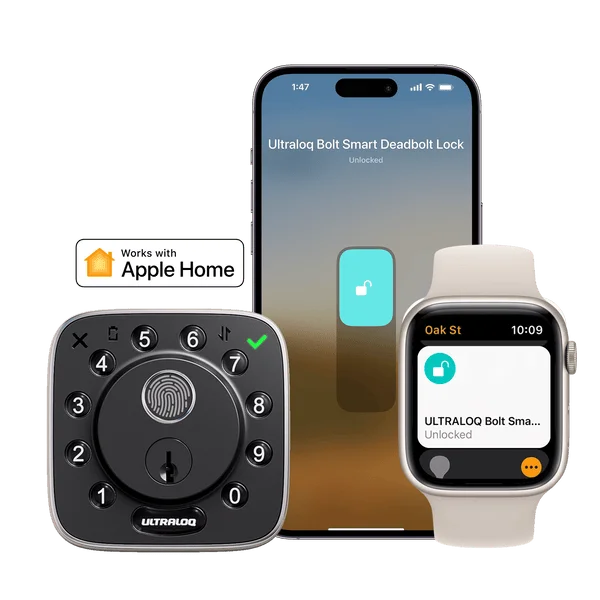
Austin Smart Lock Installations by Type (2025)
Based on Austin Locksmiths installation data from 2025 (800+ installations analyzed)
Interestingly, purely app-controlled locks without backup key cylinders represented just 12% of installations—Austin residents still want physical backup options despite embracing digital access.
Commercial Security: The Access Control Revolution
While residential smart locks grabbed headlines, commercial access control systems underwent an even more dramatic evolution. MarketsAndMarkets’ Access Control Report projects the market reaching $15.80 billion by 2030, up from $10.62 billion in 2025—an 8.3% CAGR driven primarily by commercial adoption.
Austin’s thriving business community led this charge locally. From the Rainey Street hospitality district to the Domain’s corporate offices, commercial clients increasingly replaced traditional systems with sophisticated digital alternatives.
Cloud-Based Systems: The New Standard
Cloud-based access control emerged as the dominant choice for Austin businesses in 2025, growing 31% according to our commercial installation data. Business Research Insights confirms this trend nationally, with hosted Access Control as a Service (ACaaS) projected to hold the largest market share through 2030.
The advantages became impossible to ignore:
For Property Managers:
- Remote access management from anywhere
- Instant credential provisioning/revocation
- Real-time audit trails for compliance
- Integration with existing building management systems
For Multi-Location Businesses: One Austin-based restaurant group with 12 locations replaced mechanical master key systems with cloud-based access control, eliminating the $40,000+ cost of rekeying all locations after employee turnover while gaining granular control over who accesses what—and when.
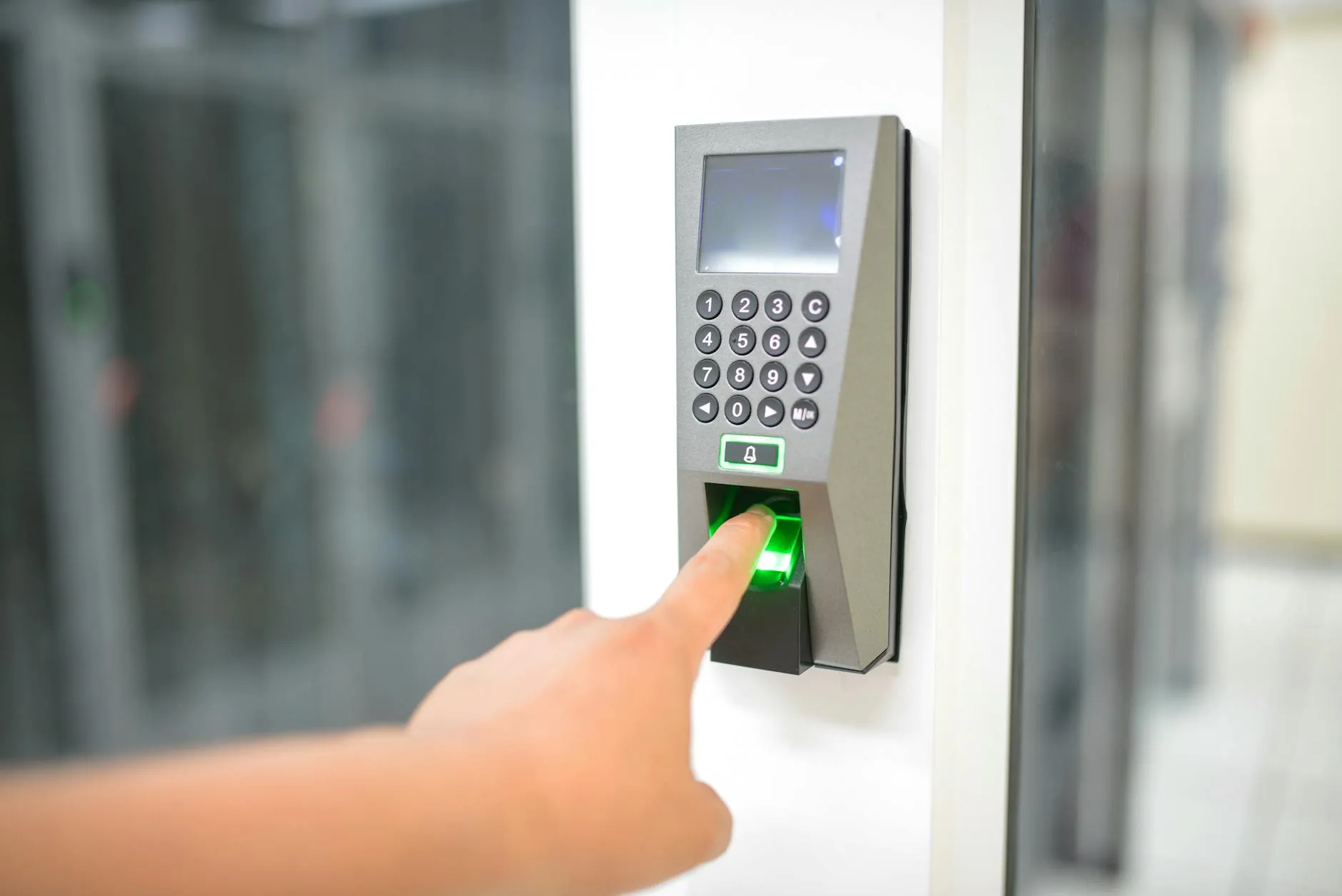

Biometric Authentication Goes Mainstream Commercial
2025 marked the year biometric authentication transitioned from “futuristic” to “expected” in commercial settings. According to Archive Market Research, the biometric locks market reached approximately $2.5 billion in 2025, with a 15% CAGR projected through 2033.
Austin businesses adopted biometric systems at rates exceeding national averages:
- Fingerprint scanners: 68% of biometric installations (dominant technology)
- Facial recognition: 23% (primarily high-security environments)
- Multi-factor biometric: 9% (combining fingerprint + face/iris)
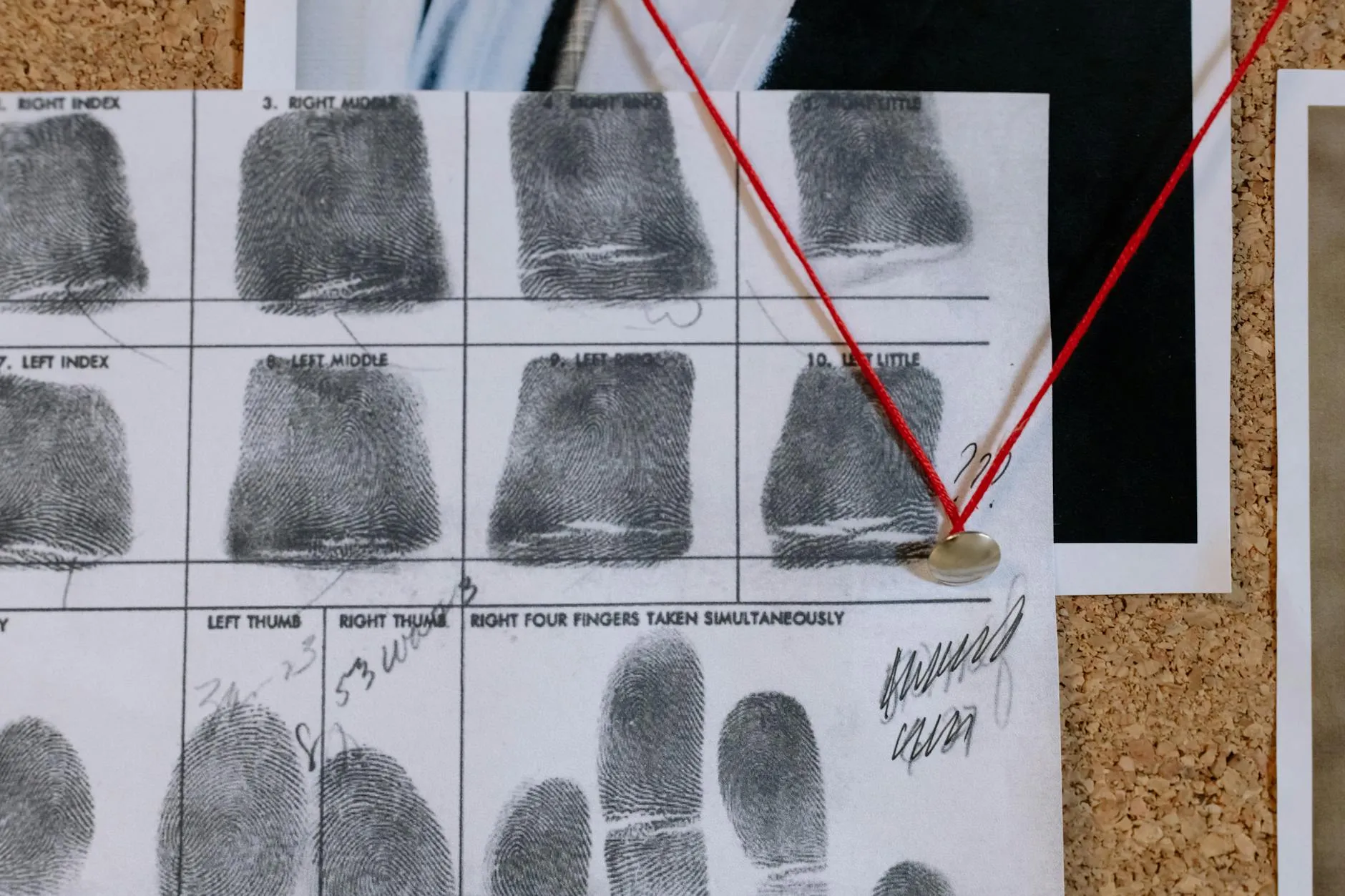
Real Austin Case Study: A downtown coworking space serving 300+ members replaced their traditional keycard system with fingerprint-based access. Results after six months:
- Zero credential-sharing incidents (previously a weekly problem)
- 94% member satisfaction rating
- $4,200 annual savings on replacement keycards
- Instant access provisioning for new members
The facility manager told us: “We went from spending 8-10 hours monthly managing physical credentials to less than 1 hour monthly managing the biometric database. And members love it—no more forgetting their access cards.”
Technology Adoption: IoT, AI, and Integration
Beyond the hardware, 2025 witnessed unprecedented integration between security systems and broader building technology ecosystems. The Matter protocol, backed by over 550 technology companies worldwide, finally delivered on its promise of seamless interoperability.
What This Meant for Austin Customers:
-
True Smart Home Integration
- Yale locks working with Ring doorbells
- August locks triggering Nest thermostats
- Schlage systems arming SimpliSafe security
- All managed through a single interface
-
AI-Powered Security
- Facial recognition reducing false alarms
- Object detection (package vs. person vs. pet)
- Predictive analytics identifying unusual access patterns
- Automatic threat detection and alerts
-
Zero Downtime Updates
- Over-the-air firmware updates
- Security patches without service calls
- Feature additions post-installation
One South Lamar homeowner summed it up perfectly: “I installed a Yale smart lock in February. By December, it had gained three new features I didn’t pay extra for—including Matter support. That would never happen with a mechanical lock.”
Key Takeaways from 2025
As we close the chapter on 2025, several critical insights emerged from the data:
1. The Traditional Key is Dying (Faster Than Expected)
U.S. smart lock unit growth outpaced all forecasts, jumping from 17.46M units to a trajectory toward 39.03M by 2030. In Austin’s competitive real estate market, new construction increasingly includes smart locks as standard, not upgrades.
2. Commercial Security Became a Software Business
Access control transformed from a hardware purchase to a software subscription. Austin businesses increasingly prefer $99/month ACaaS over $15,000+ upfront traditional systems—better technology, lower capital expenditure, continuous improvements.
3. Biometrics Crossed the Mainstream Threshold
What seemed futuristic in 2020 became commonplace in 2025. Our biometric installation requests increased 42% year-over-year, and customer satisfaction ratings exceeded 94%—people want fingerprint and face-based access.
4. Interoperability Finally Works
Matter protocol’s maturation means customers are no longer locked into single-brand ecosystems. A Schlage smart lock can talk to a Ring doorbell can trigger an Alexa routine—the “walled garden” era ended in 2025.
5. Austin Leads Adoption Curves
As a tech-forward city with above-average household incomes and a culture embracing innovation, Austin consistently adopted new security technology 12-18 months ahead of national averages. What we’re installing in Austin today typically reaches other markets tomorrow.
2026 Predictions: What’s Coming Next
Based on market research, manufacturer roadmaps, and conversations with technology partners, here’s what we expect in 2026:
Smart Locks: Matter-Enabled Everything
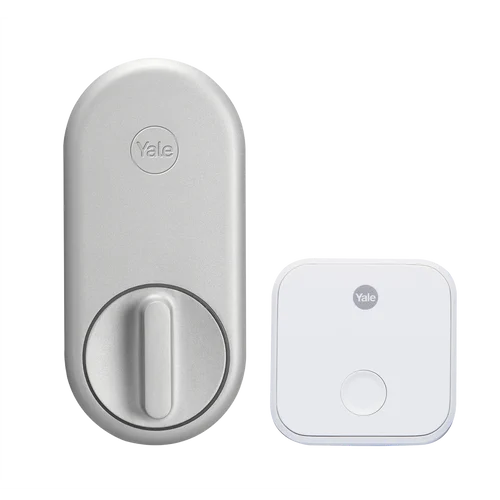
According to Accio’s trend analysis, 70% of smart locks will support Matter-over-Thread by 2026, dramatically reducing battery drain while enhancing interoperability. This represents the most significant standardization in smart home history.
What This Means for Austin Homeowners:
Better Battery Life Matter-over-Thread’s low-power design extends smart lock battery life from 6-8 months to 12-18 months. Fewer battery changes, less maintenance, better user experience.
True Universal Compatibility Buy any Matter-enabled smart lock and know it will work with your existing smart home ecosystem—whether that’s Apple HomeKit, Google Home, Amazon Alexa, or Samsung SmartThings. No more compatibility research before purchasing.
Future-Proof Investment Smart locks purchased in 2026 will continue receiving updates and new features for years. The software lifecycle extends far beyond the hardware lifecycle.
Price Points Dropping As Matter becomes standard, we expect mid-tier smart lock prices to fall 15-20% in 2026 as manufacturing scales and competition intensifies. Premium features like biometrics and AI-powered facial recognition will move down-market.
Access Control: AI Gets Serious
Yale’s 2026 predictions and broader smart home security forecasts point to AI becoming deeply integrated into access control systems.
Predictive Threat Detection
Commercial access control systems in 2026 will analyze patterns and detect anomalies before they become incidents:
- Unusual access times: Employee accessing server room at 2 AM when they typically work 9-5
- Failed authentication clusters: Multiple failed access attempts in short timeframe
- Behavioral analysis: Access patterns deviating from established norms
- Tailgating detection: Computer vision identifying unauthorized following through doors
For Austin businesses handling sensitive data or high-value assets, these AI-powered insights represent a quantum leap in security.
Edge AI Processing for Privacy
Rather than sending video streams to cloud servers, 2026 access control systems will process facial recognition and object detection locally using edge AI chips. Benefits include:
- Privacy Protection: Sensitive biometric data never leaves the premises
- Zero Latency: Instant authentication without cloud round-trips
- Network Independence: Systems function even during internet outages
- Compliance: Easier adherence to privacy regulations (GDPR, CCPA)
Zero-Trust Security Models
Industry forecasts predict widespread adoption of zero-trust authentication frameworks in commercial access control. Every access request gets verified regardless of source—no implicit trust even for previously authenticated users.
For Austin’s growing cybersecurity-conscious business community, zero-trust access control will become table stakes for compliance and customer confidence.
Biometric Security: Mainstream to Universal
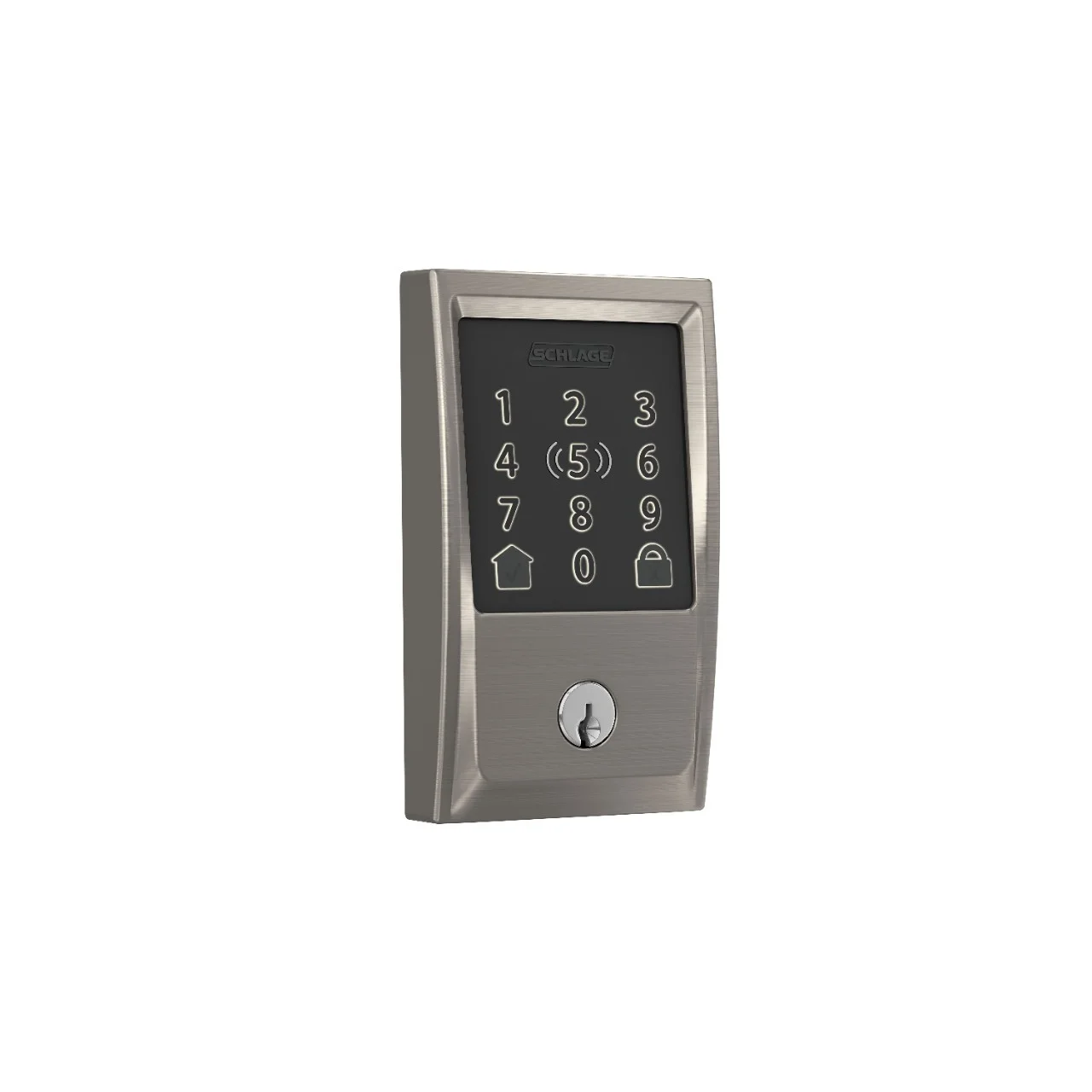
The biometric locks market’s 15% CAGR through 2033 tells only part of the story. In 2026, we expect biometric authentication to transition from “nice to have” to “expected” in both residential and commercial contexts.
Multi-Modal Biometrics
Single-factor biometric authentication (fingerprint only) will give way to multi-modal systems combining:
- Fingerprint + facial recognition
- Fingerprint + voice authentication
- Facial recognition + iris scanning
- Behavioral biometrics (gait analysis, typing patterns)
Why Austin Businesses Will Adopt This:
Security is only as strong as its weakest authentication factor. Multi-modal biometrics provide redundancy—if one factor fails or gets spoofed, others provide backup. For high-security commercial environments (healthcare, finance, legal), multi-modal systems will become standard.
Liveness Detection
2026 biometric systems will universally include liveness detection to prevent spoofing with photos, masks, or fake fingerprints. Advanced sensors detect:
- 3D facial mapping: Distinguishing real faces from photos/videos
- Pulse detection: Confirming fingerprint comes from living person
- Micro-movement analysis: Detecting natural eye movement, blinking
- Temperature verification: Confirming body temperature ranges
Contactless Biometrics
Post-pandemic hygiene concerns accelerated development of contactless biometric systems. In 2026, expect widespread adoption of:
- Palm vein recognition: Scanning internal vein patterns from 6-8 inches away
- Facial recognition from distance: Authentication from 3-5 feet
- Iris scanning: High-security systems reading iris patterns without contact
For Austin’s hospitality and healthcare sectors, contactless biometrics eliminate shared touchpoints while maintaining security.
Affordability Curve
As biometric sensor manufacturing scales, costs drop precipitously. Entry-level biometric smart locks that cost $500-650 in 2025 will likely hit $300-400 price points in 2026, accelerating residential adoption.
IoT Integration: The Connected Security Ecosystem
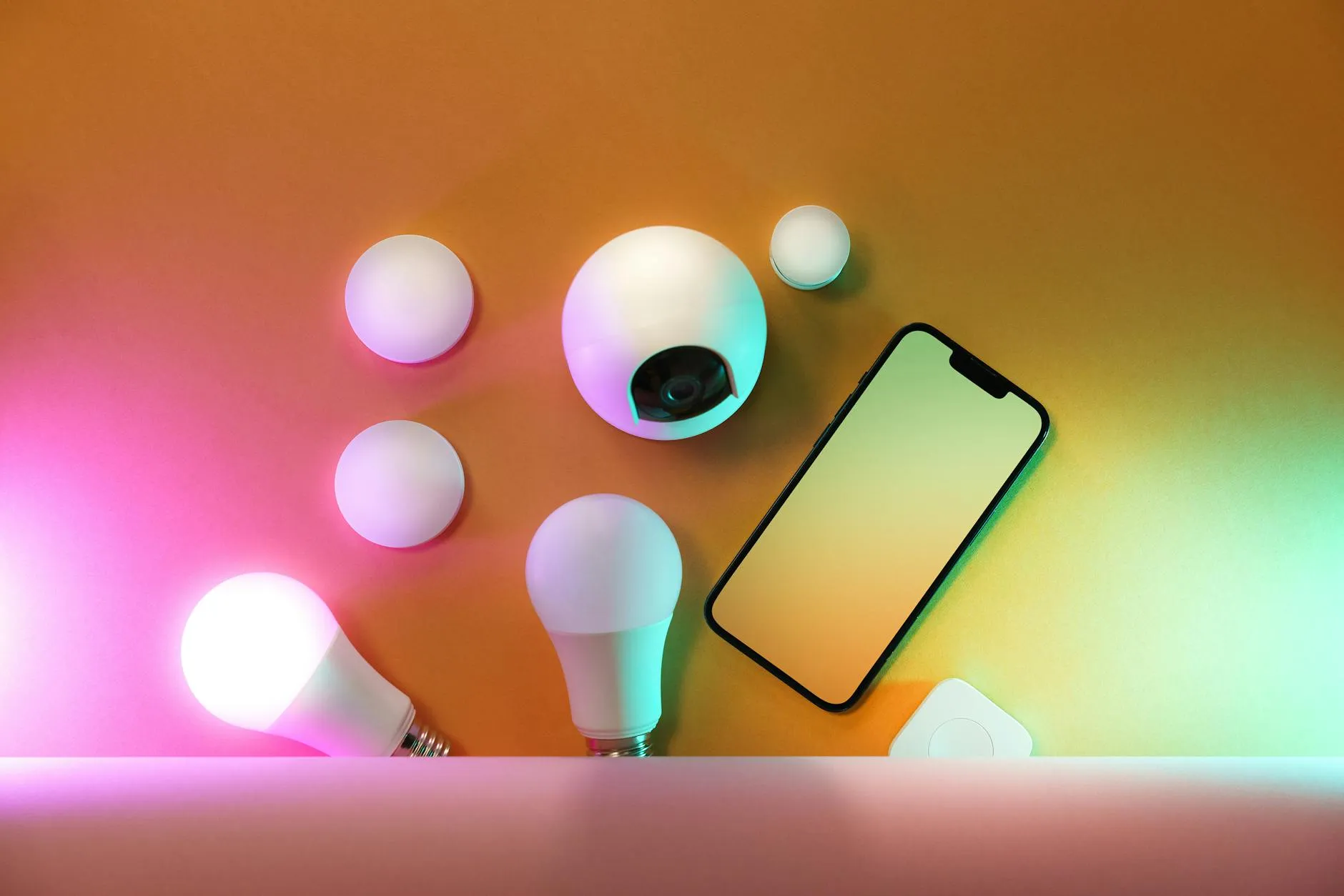
By 2026, expert predictions suggest security systems will function as central nervous systems for smart buildings, triggering actions across multiple systems:
Scenario: Smart Lock Unlocks Front Door (2026)
What happens next across the connected ecosystem:
- HVAC System: Adjusts to preferred temperature
- Lighting: Activates pathway lights based on time of day
- Security System: Disarms automatically
- Garage Door: Opens if car detected in driveway
- Music System: Starts preferred playlist
- Coffee Maker: Begins brewing (if morning)
- Thermostat Learning: Records arrival time for pattern recognition
All triggered by a single biometric authentication at the front door. No manual controls needed.
For Austin Commercial Properties:
- Energy Management: HVAC zones activate only when employees access specific areas
- Occupancy Tracking: Real-time headcount for emergency evacuation
- Scheduling Automation: Conference room lighting/AV systems triggered by access credentials
- Billing Integration: Coworking spaces automatically billing members based on actual access times
Quantum Encryption & Next-Gen Security
While still emerging, quantum encryption and advanced authentication will begin appearing in high-security commercial applications in late 2026.
What is Quantum Encryption?
Traditional encryption relies on mathematical complexity—theoretically breakable with enough computing power. Quantum encryption uses quantum mechanics principles to create theoretically unbreakable security. If an attacker attempts to intercept, the quantum state collapses, alerting the system.
2026 Commercial Applications:
- Government facilities
- Financial institutions
- Healthcare systems with HIPAA requirements
- Legal firms handling sensitive client data
- Research facilities with proprietary information
For most Austin residential and small business applications, quantum encryption remains overkill in 2026—but watch this space for 2027-2028.
What This Means for Austin Homeowners & Businesses
Let’s translate market trends and technology roadmaps into actionable insights for Austin’s residential and commercial property owners.
For Homeowners: Smart Security Without Complexity
If You’re Considering Smart Locks in 2026:
-
Wait for Matter-Enabled Models (Q1-Q2 2026)
- Better battery life (12-18 months vs. 6-8 months)
- True universal compatibility across ecosystems
- Future-proof investment as standard solidifies
-
Budget for Mid-Tier Quality ($300-550 range)
- Price decreases expected in 2026 as competition intensifies
- Avoid budget models lacking firmware update capability
- Premium features (biometrics, AI) moving down-market
-
Prioritize Professional Installation
- Improper installation voids warranties
- Professional setup ensures secure configuration
- We’ve seen too many DIY installs create vulnerability
-
Plan for Integration (not isolation)
- Smart locks work best integrated with doorbell cameras, alarm systems, lighting
- Consider your broader smart home ecosystem before purchasing
- Matter compatibility future-proofs integration options
Popular Austin Use Cases We Expect in 2026:
- Rental Properties: Digital keys for Airbnb/VRBO with automatic expiration
- Aging Parents: Family members gaining temporary access for check-ins
- Dog Walkers/Housekeepers: Scheduled access during specific timeframes
- Package Delivery: One-time codes for couriers during delivery windows
- Teen Drivers: Access logging when teenagers arrive home
For Businesses: The ACaaS Migration
If You’re Still Using Traditional Keys & Master Systems:
The economics heavily favor migration to cloud-based access control in 2026:
Traditional Master Key System:
- Initial Cost: $12,000-$50,000+ (depending on property size)
- Rekeying After Employee Exit: $60-$200 per lock
- Annual Locksmith Calls: $163 average per incident
- Lost/Stolen Key Risk: Complete rekey often necessary
- Scalability: Adding locations requires physical key distribution
Cloud-Based Access Control (ACaaS):
- Initial Cost: $99-$299/month subscription
- Employee Access Changes: Instant, $0 cost
- Emergency Access: Remote unlock, $0 cost
- Lost Credential Risk: Instantly revoked, no rekeying
- Scalability: Add locations with zero marginal effort
Austin Business Case Study (Projected 2026):
Mid-sized Austin business with 50 employees, 25 access points:
Traditional System (5-year cost):
- Initial installation: $35,000
- Annual rekeying (12 turnover events): $18,000
- Emergency locksmith calls: $3,250
- Lost keys/full rekeys: $8,000
- Total 5-year cost: $64,250
ACaaS System (5-year cost):
- Monthly subscription ($199): $11,940
- Installation (one-time): $8,000
- Employee turnover costs: $0
- Emergency access costs: $0
- Lost credential costs: $0
- Total 5-year cost: $19,940
Savings: $44,310 over 5 years plus intangible benefits (audit trails, compliance, remote management, real-time visibility).
For Property Managers: Tenant Experience + Operational Efficiency
Austin’s competitive rental market makes tenant experience a differentiator. In 2026, expect renters—especially young professionals and tech workers—to increasingly demand smart access as a baseline amenity.
Smart Access Benefits for Austin Rental Properties:
Tenant Acquisition:
- 23% fewer lockout calls (verified data from Austin property managers)
- No physical key handoff during leasing (digital keys via email)
- Perceived value-add for rent justification
- Marketing advantage in competitive submarkets (West Campus, East Austin, Mueller)
Operational Efficiency:
- Eliminate $40,000+ annual rekeying costs (200+ unit complexes)
- Remote access for maintenance teams (no key distribution)
- Access logs for disputed entry claims
- Instant access revocation upon lease termination
Tenant Satisfaction:
- Never locked out (smartphone always present)
- Guest access codes for visitors
- Package delivery without exposing home
- Integration with smart thermostats, lighting
2026 Prediction:
By end of 2026, 30%+ of Class A multifamily properties in Austin will feature smart access as standard amenity. Properties without it will face pressure to add or risk occupancy challenges.
Preparing for 2026: Action Steps
For Austin Homeowners:
✅ Evaluate Current Security - When did you last upgrade locks? Are they Grade 1? ✅ Research Matter-Compatible Options - Bookmark models launching Q1-Q2 2026 ✅ Budget for Professional Installation - DIY voids warranties and risks security gaps ✅ Consider Ecosystem Integration - How will smart locks interact with existing devices? ✅ Schedule Consultation - Contact Austin Locksmiths for personalized assessment
For Austin Businesses:
✅ Calculate Traditional System TCO - Include rekeying, locksmith calls, lost keys over 5 years ✅ Demo ACaaS Platforms - Request trials from 2-3 vendors ✅ Assess Compliance Needs - Do you need audit trails, scheduled access, visitor logs? ✅ Plan Migration Timeline - Phased rollout or complete replacement? ✅ Consult Commercial Security Experts - Schedule commercial assessment
For Property Managers:
✅ Survey Tenant Priorities - Would smart access influence renewal decisions? ✅ Model Operational Savings - Calculate current rekeying and lockout costs ✅ Research Resident-Facing Platforms - Tenant apps for guest codes, delivery access ✅ Pilot Test One Building - Validate before portfolio-wide rollout ✅ Explore Commercial Access Solutions - Learn about access control systems
The Bottom Line: Austin Leads, Others Follow
2025 proved what we’ve long believed: Austin doesn’t follow security technology trends—we set them. Our tech-forward community, above-average household incomes, and culture of innovation consistently put Austin 12-18 months ahead of national adoption curves.
What we’re installing in South Congress, Mueller, and the Domain today becomes standard in other markets 12-24 months later. Smart locks, biometric authentication, cloud-based access control—these aren’t futuristic concepts for Austin. They’re current reality.
As we enter 2026, the locksmith industry stands at an inflection point. Traditional mechanical systems are giving way to intelligent, connected, AI-powered security ecosystems that deliver better protection, superior user experience, and lower total cost of ownership.
The question isn’t whether to embrace these changes. It’s how quickly you’ll adapt to remain competitive in Austin’s demanding market.
Austin Locksmiths has been serving our community since [year], evolving alongside the technology while maintaining the craft expertise that matters. We’re not just installing smart locks—we’re designing integrated security ecosystems tailored to Austin’s unique needs.
Whether you need emergency lockout service, smart lock installation, commercial access control, or simply expert advice on navigating 2026’s security landscape, we’re here to help.
The future of security is intelligent, connected, and more accessible than ever. Let’s build it together.
Sources & Research
This analysis draws from authoritative industry research and market data:
Market Research & Trends:
- Grand View Research: Smart Lock Market Analysis
- MarketsAndMarkets: Access Control Market Report
- Accio: 2025 Smart Lock Trends - Biometrics & Matter Protocol
- Archive Market Research: Biometric Locks 2025-2033 Analysis
- Business Research Insights: Digital Door Lock System Market
Technology & Innovation:
- Tech Times: Smart Homes Expert Predictions on AI & IoT
- Yale: 2026 Predictions for Smart Home Security Industry
- GovTech: Top 26 Security Predictions for 2026
Commercial Access Control:
- PEAK Alarm: Top Commercial Access Control Features 2025
- R3 Access: 2025 Guide to Commercial Access Control Systems
Ready to upgrade your security for 2026? Contact Austin Locksmiths for expert consultation on smart locks, access control, and comprehensive security solutions tailored to your needs.
Prices shown are estimates
They give you a general idea of what the service costs, and are not a final quote. Your actual price depends on the lock, the vehicle or door, job complexity, and time of day. Your technician confirms the exact final price with you on site, before any work begins.